Every week, an instructor writes new AI curriculum from scratch. Every month, a team runs an AI workshop that could have been better with better materials. Every quarter, a company trains employees on AI product development using documentation that was never designed for teaching. The material in this book was designed for active learning, hands-on practice, and real application. This chapter shows you how to adapt it for self-study, team workshops, classroom instruction, or executive education.
The Tripartite Loop in Teaching AI Product Development
Teaching AI product development requires all three disciplines: AI PM teaches product thinking and prioritization; Vibe-Coding teaches rapid experimentation and iteration; AI Engineering teaches production thinking and reliability.
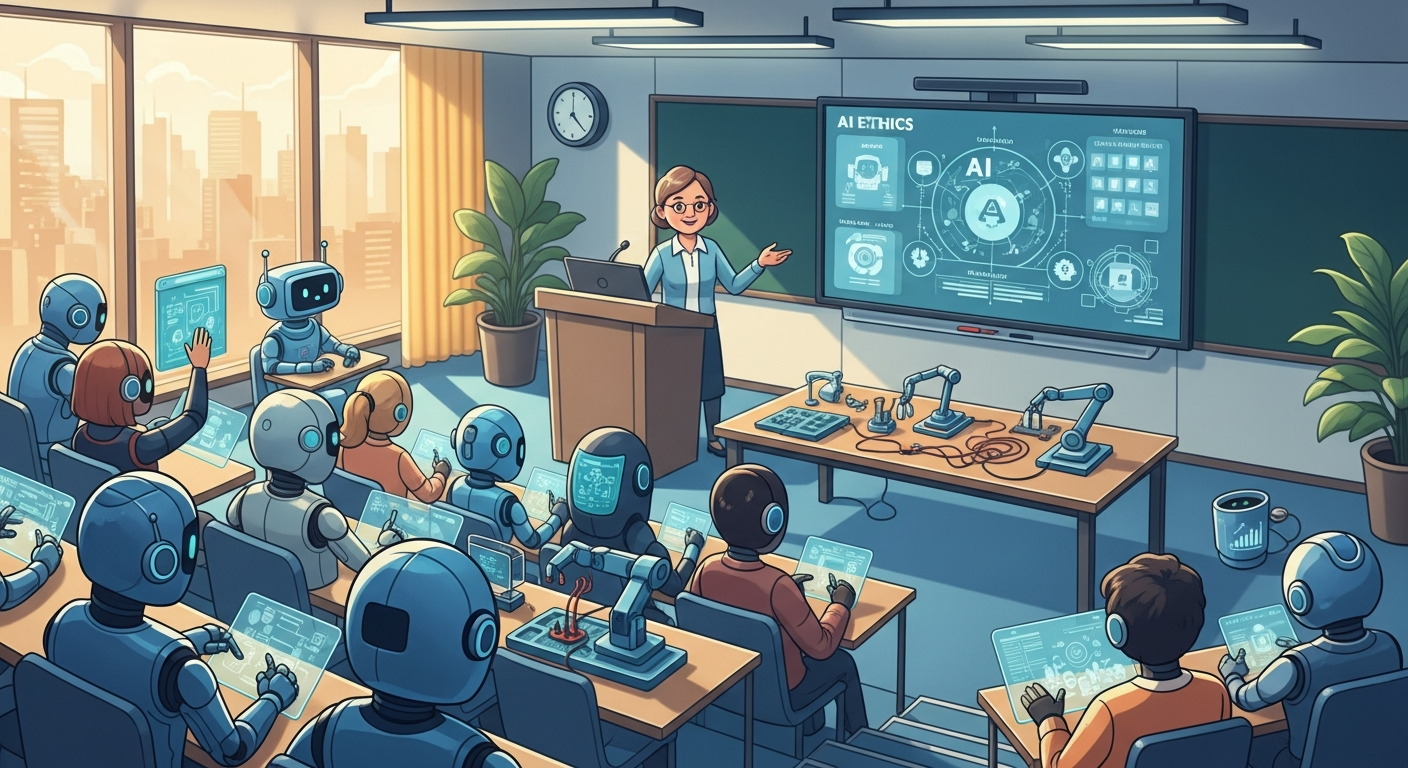
Objective: Adapt book content for teaching in various formats.
Chapter Overview
NEW content. This chapter provides guidance for teaching the material, including course structure recommendations, workshop formats, and assessment strategies.
Four Questions This Chapter Answers
- What are we trying to learn? How to adapt book content effectively for different teaching contexts and audiences.
- What is the fastest prototype that could teach it? Designing one session using the book material and getting feedback on what worked and what needs adjustment.
- What would count as success or failure? Learners who can apply AI product concepts to real situations, not just recall definitions.
- What engineering consequence follows from the result? Teaching AI product development requires active learning, hands-on practice, and assessment approaches that match the discipline's practical nature.
Learning Objectives
- Structure a course around the material
- Design effective workshops
- Assess learning outcomes
- Adapt for different audiences