AI can refactor codebases, rewrite SDK usage, regenerate infrastructure definitions, and synthesize tests—making the cost of re-expressing a system in a different technical language fall dramatically. The old lock-in was about the cost of translation. Now that translation gets cheap, the dynamics shift: architecture becomes less permanent, infrastructure becomes more negotiable, and the most valuable asset shifts from code to intent (interfaces, invariants, behavior, tests). Companies that can credibly replatform within days gain leverage without the complexity tax of full multi-cloud. Portability is no longer just an architectural virtue—it is bargaining power.
Building interoperable AI systems requires all three disciplines: AI PM decides which protocols matter for your product ecosystem and what interoperability means for users; Vibe-Coding tests protocol integrations quickly to verify they work before full implementation; AI Engineering implements the actual protocol handling, message translation, and service connections that make interoperability real.
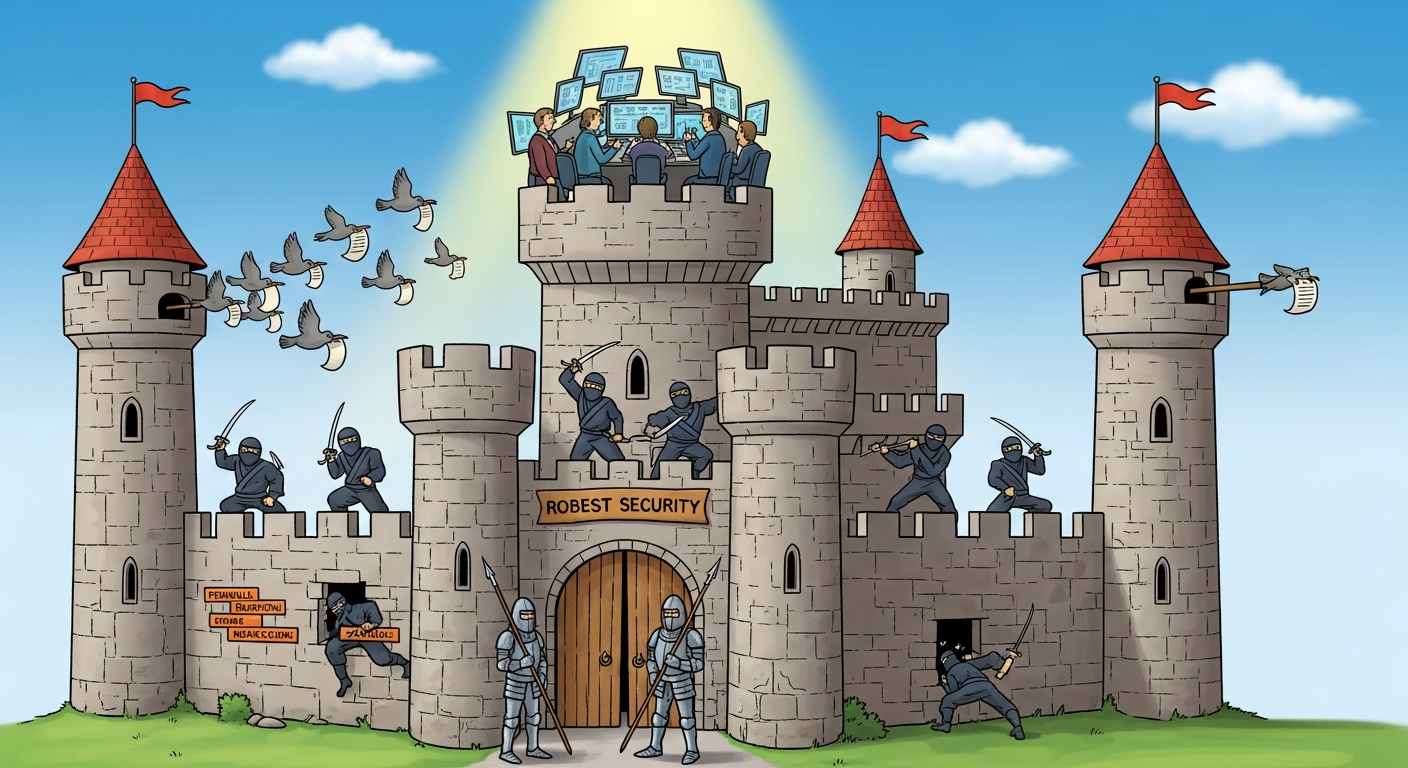
Vibe coding accelerates protocol integration testing by letting you quickly assemble MCP tool integrations and A2A agent communications. Rather than reading protocol specs and hoping your implementation is correct, vibe code working examples that demonstrate real interoperability. Vibe coding protocol integration reveals actual behavior, limitations, and edge cases faster than formal implementation alone.
PMs face protocol decisions: Should we adopt MCP for tool integration now or wait for standards to mature? How much vendor lock-in is acceptable versus beneficial? When agents need to collaborate across systems, what data contracts must be established? Protocol adoption timing is strategic: early adoption offers first-mover advantage but risk of instability; late adoption means stability but potential lock-in to proprietary solutions. These decisions shape the long-term extensibility of your AI product.
Objective: Master MCP, A2A, and emerging AI interoperability standards.
Chapter Overview
This chapter covers the engineering decisions that determine how models are selected, routed, and allocated to tasks. Model selection involves understanding open versus closed models, size versus capability trade-offs, and task-model matching. Model routers direct requests to appropriate models based on task requirements, cost constraints, and quality targets. Ensembles and specialization combine multiple models for better results than any single model. Structured outputs and tool compatibility enable reliable integration with external systems. The chapter concludes with latency, cost, and quality trade-offs that guide optimization priorities.
Four Questions This Chapter Answers
- What are we trying to learn? How to leverage MCP and A2A protocols to build interoperable AI systems that can communicate and use tools effectively.
- What is the fastest prototype that could teach it? Implementing one MCP tool integration and one A2A agent communication to understand protocol benefits and overhead.
- What would count as success or failure? Interoperability that enables flexible composition of AI capabilities without lock-in to specific vendors or models.
- What engineering consequence follows from the result? Protocol-driven design provides strategic flexibility; ad-hoc tool integration provides short-term speed but long-term lock-in.
Learning Objectives
- Understand MCP as a standard for model-to-tool integration
- Implement A2A protocol for agent-to-agent communication
- Design effective tool schemas with clear service boundaries
- Build UI integration patterns that communicate agent activity
- Apply protocol-driven system design principles